What to Expect From Lincoln Auto Shipping When Moving a Car Across State Lines or Long Distances
Moving a vehicle across state lines or over a long distance can involve more planning than simply getting behind the wheel and driving to a new destination. Distance, weather, road conditions, fuel costs, scheduling, and the condition of the vehicle all need to be considered before transportation begins. For many vehicle owners, professional Lincoln Auto Shipping can offer a practical alternative to handling a lengthy drive independently.
Understanding what happens before, during, and after vehicle transportation can make the experience easier to manage. From choosing a transportation method and preparing the vehicle to completing pickup inspections and arranging delivery, each stage has an important role. Knowing what to expect can also help vehicle owners ask better questions and make informed decisions about their transportation arrangements.
Understanding Long-Distance Auto Shipping
Long-distance auto shipping involves transporting a vehicle from one location to another using a professional vehicle carrier. Instead of driving the car for hundreds or thousands of miles, the vehicle is loaded onto a transportation trailer and moved toward its destination.
This service can be useful for people relocating for work, moving to another state, purchasing vehicles from distant sellers, transporting seasonal cars, or assisting family members with vehicle relocation. The transportation process can vary depending on the distance, vehicle type, pickup and delivery locations, shipping method, and scheduling requirements.
Why Moving a Car Across State Lines Requires Planning
Cross-state vehicle transportation involves several logistical details that should be addressed before pickup. The distance between the origin and destination can influence the transportation schedule, while the type of roads and accessibility of each location can affect pickup and delivery arrangements.
Vehicle owners should also consider their own moving schedule. If the car is needed immediately after arriving at the new location, transportation should be arranged with enough time to account for possible changes in transit timing. Planning early can make it easier to coordinate vehicle delivery with housing, employment, travel, or other relocation activities.
What to Expect Before Booking Lincoln Auto Shipping
The process generally begins with gathering information about the vehicle and transportation requirements. A shipping provider may need details such as the vehicle's make, model, year, condition, pickup location, destination, and preferred transportation dates.
At this stage, vehicle owners should also explain whether the car has any special characteristics. Oversized vehicles, modified cars, non-running vehicles, luxury automobiles, classic cars, and other specialty vehicles may require different handling or equipment.
Requesting a Transportation Quote
A quote typically depends on several factors rather than distance alone. The route, vehicle size, transportation method, pickup and delivery requirements, fuel costs, seasonal demand, and scheduling can all influence the overall price.
Comparing quotes can be useful, but price should be considered alongside the services included. A lower quote may not offer the same transportation method, pickup flexibility, or service conditions as another option.
Choosing a Shipping Method
One of the main decisions involves selecting between open and enclosed transportation.
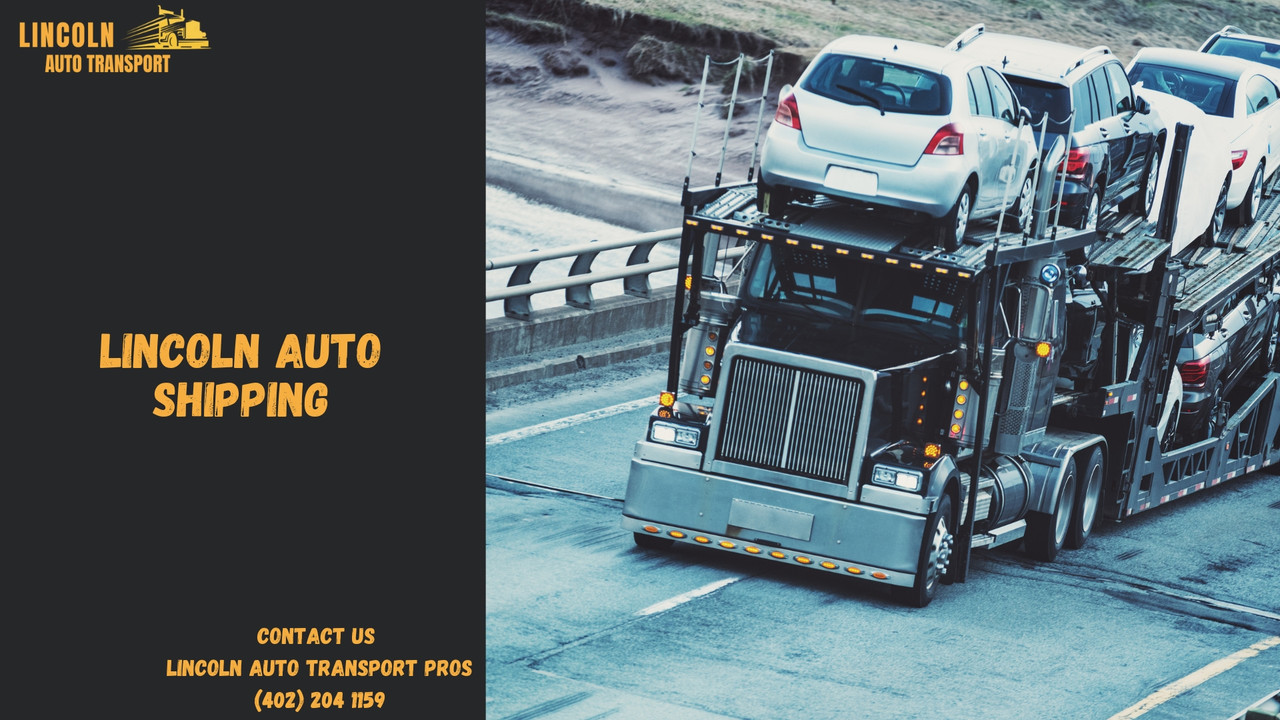
Open transport is a commonly used method in which vehicles are carried on an open trailer. It can accommodate multiple vehicles and is often selected for standard cars, SUVs, and trucks.
Enclosed transport places vehicles inside a covered trailer. This option can provide additional protection from direct exposure to road debris and weather during transportation and may be considered for luxury, classic, collectible, or otherwise valuable vehicles.
How to Prepare Your Vehicle for Shipping
Proper preparation can make the pickup process more organized and help document the vehicle's condition before transportation begins.
Clean the Vehicle
Cleaning the exterior can make existing scratches, dents, chips, and other imperfections easier to identify during the inspection. The goal is not appearance alone; a clean vehicle makes condition documentation more straightforward.
Remove Personal Belongings
Personal belongings should generally be removed from the passenger compartment, trunk, and other storage areas unless specific arrangements have been made with the transportation provider. Loose items can shift during transit and may cause damage to the vehicle's interior.
Document the Vehicle's Condition
Taking clear photographs before pickup can create a useful record of the vehicle's condition. Photographs should show the exterior from several angles and capture any existing damage that should be noted during the inspection.
Check the Vehicle's Mechanical Condition
Before pickup, the vehicle should be checked for basic mechanical issues. If the vehicle does not run, has a dead battery, has steering problems, or cannot roll normally, the transportation provider should know in advance. Special loading arrangements may be necessary.
Keep the Fuel Level Appropriate
A vehicle does not typically need a full tank for transportation. A moderate fuel level can provide enough fuel for necessary loading, unloading, and limited movement without adding unnecessary weight.
What Happens During the Pickup Process?
Pickup is an important stage because it establishes the vehicle's condition before transportation. The carrier and vehicle owner generally review the vehicle and document its condition before loading.
The pickup location should provide enough space for the carrier to safely approach and load the vehicle. In areas with narrow streets, restricted access, low clearances, or heavy traffic, an alternative meeting location may sometimes be necessary.
Vehicle Inspection
An inspection allows the condition of the vehicle to be recorded before it begins its journey. Existing damage such as scratches, dents, cracks, or paint imperfections should be noted as part of the documentation.
Loading the Vehicle
After the inspection, the vehicle is positioned for transportation and secured using appropriate equipment. The exact loading process depends on the carrier and the type of vehicle being transported.
What to Expect While the Vehicle Is in Transit
Once the vehicle is loaded, it begins the long-distance journey to the destination. Transit time can vary considerably because transportation routes may involve multiple stops, traffic, weather conditions, road construction, and other logistical factors.
Vehicle owners should avoid assuming that a shipping schedule will always function like a direct road trip. A carrier may be transporting several vehicles along a route, so the vehicle's journey can involve planned stops and route adjustments.
Transit Times Can Vary
The distance between Lincoln and the destination is an important consideration, but it is not the only factor affecting delivery timing. Seasonal traffic, weather, road conditions, carrier schedules, and pickup or delivery accessibility can all affect the overall timeline.
For this reason, it is useful to plan with some flexibility rather than scheduling important events around an exact delivery hour.
Communication During Transportation
Clear communication can make long-distance vehicle transportation easier to manage. Vehicle owners should understand how scheduling updates are handled and know how to contact the transportation provider if questions arise during the journey.
What Happens When the Vehicle Reaches Its Destination?
Delivery is the final major stage of the transportation process. The vehicle is unloaded at the destination, and its condition can be reviewed again.
The delivery location should be accessible enough for the carrier to safely unload the vehicle. If the original destination is difficult for a large carrier to reach, the provider and vehicle owner may need to arrange a Lincoln auto shipping nearby meeting point.
Final Vehicle Inspection
Once the vehicle has been unloaded, the owner should inspect it carefully. Comparing the vehicle with the documentation created during pickup can help identify whether any noticeable changes occurred during transportation.
Checking the exterior from multiple angles and reviewing previously documented areas can help make the final inspection more complete.
Door-to-Door Lincoln Auto Shipping
Door-to-door transportation is designed to bring the vehicle as close as practical to the requested pickup and delivery addresses. However, large carriers cannot always access every residential street or private location.
Road width, low branches, parked vehicles, construction zones, traffic restrictions, and other physical limitations can affect where a carrier can safely operate. In those circumstances, a nearby accessible location may be selected for pickup or delivery.
The advantage of arranging transportation close to the desired locations is convenience. It can reduce the need to arrange additional transportation for the vehicle between a terminal and the final destination.
Terminal-to-Terminal Transportation
Some vehicle owners may choose terminal-based transportation when it is available and practical for their route. In this arrangement, the vehicle is taken to a designated transportation facility for pickup and later collected from another facility near the destination.
This option may work for vehicle owners who have flexible schedules or who prefer not to coordinate a carrier directly at a residence or business location.
Factors That Can Affect Lincoln Auto Shipping Costs
The price of transporting a vehicle can vary depending on the circumstances of the shipment. Understanding the main pricing factors can help vehicle owners evaluate transportation quotes more effectively.
- Distance: Longer routes generally require more transportation resources and travel time.
- Vehicle size: Larger vehicles can require additional trailer space.
- Transportation method: Open and enclosed transportation can have different pricing structures.
- Pickup location: Remote or difficult-to-access areas can affect transportation logistics.
- Delivery location: Urban congestion and accessibility may influence carrier arrangements.
- Season: Demand and transportation conditions can change throughout the year.
- Vehicle condition: Non-running vehicles may require additional loading equipment or assistance.
- Scheduling: Specific timing requirements can affect transportation arrangements.
Open vs. Enclosed Auto Transport
Choosing between open and enclosed transportation depends largely on the vehicle and the owner's priorities.
Open Auto Transport
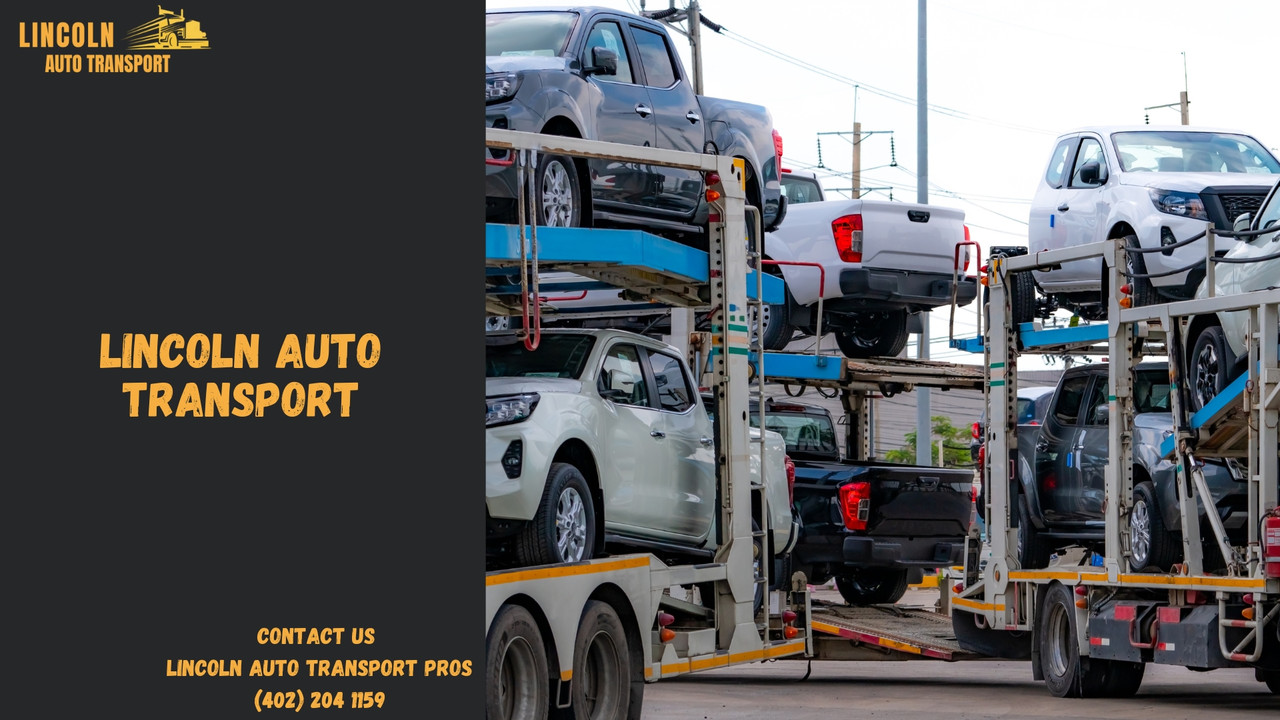
Open transportation is widely used because it can accommodate several vehicles on a single carrier. It is commonly suitable for everyday cars, pickups, SUVs, and other standard vehicles.
Because the vehicle travels on an open trailer, it is exposed to normal outdoor conditions during transit. For many standard vehicles, this is an acceptable transportation arrangement.
Enclosed Auto Transport
Enclosed transportation uses a covered trailer and can provide additional protection from direct exposure to weather and road debris. Vehicle owners transporting classic, collectible, luxury, or specialty automobiles may consider this option when additional protection is a priority.
Enclosed transportation may cost more than open transportation, so the decision should take into account the vehicle's characteristics and the level of protection desired.
How Weather and Road Conditions Can Affect Transportation
Long-distance transportation takes place across different environments and road conditions. Rain, snow, ice, high winds, extreme temperatures, construction, traffic congestion, and other conditions can affect travel schedules.
Professional carriers must account for road safety when planning routes. Vehicle owners should therefore understand that a delivery estimate is generally a planning window rather than a guarantee of an exact arrival time.
Special Considerations for Non-Running Vehicles
Vehicles that cannot start, steer, brake, or roll normally require additional planning. Standard loading procedures may not be sufficient if the vehicle cannot move under its own power.
Owners should disclose the vehicle's condition before booking transportation. Knowing this information in advance allows the provider to determine whether additional equipment or loading assistance will be required.
Shipping Luxury, Classic, and Specialty Vehicles
Specialty vehicles can require additional attention because of their value, construction, modifications, or unique dimensions. Owners may consider enclosed transportation when they want additional protection from outdoor exposure during transit.
Detailed condition documentation is especially important for valuable vehicles. Photographs and inspection records can establish a clear reference point before transportation begins.
Common Mistakes to Avoid When Shipping a Vehicle
Waiting Until the Last Minute
Last-minute arrangements can reduce scheduling flexibility. Booking earlier gives vehicle owners more time to compare transportation options, prepare the vehicle, and coordinate pickup and delivery.
Choosing a Provider Based Only on Price
Price is an important consideration, but it should not be the only factor. Vehicle owners should understand what services are included, what transportation method is being used, how communication works, and what the pickup and delivery process involves.
Failing to Document Existing Damage
Skipping the inspection can make it harder to compare the vehicle's condition before and after transportation. Clear documentation provides a useful reference for both parties.
Leaving Personal Items Inside the Vehicle
Personal possessions can shift during transportation and may create unnecessary complications. Removing loose belongings can help keep the vehicle's interior organized and reduce potential problems.
Ignoring Accessibility
Vehicle owners should consider whether the pickup and delivery locations can safely accommodate a large carrier. If access is limited, discussing alternatives before the scheduled date can prevent unnecessary delays.
Questions to Ask Before Choosing Lincoln Auto Shipping
Asking detailed questions before booking can help vehicle owners understand the transportation arrangement. Useful questions may include:
- What transportation method will be used?
- Is the quote based on the vehicle's exact size and condition?
- What information is needed before pickup?
- How is the vehicle inspected before transportation?
- How are pickup and delivery updates communicated?
- What happens if the vehicle is not operational?
- What should be removed from the vehicle before pickup?
- How flexible are the pickup and delivery dates?
- What happens if weather or road conditions affect the schedule?
- Where should the vehicle be inspected at delivery?
How to Make Long-Distance Vehicle Transportation Easier
A well-organized shipping process starts before the carrier arrives. Preparing documents, cleaning the vehicle, taking photographs, removing personal belongings, checking the mechanical condition, and confirming pickup details can reduce confusion.
It is also helpful to keep the transportation provider informed of changes. If the pickup address changes, the vehicle's condition changes, or the schedule needs to be adjusted, communicating those details early can make coordination easier.
Planning Vehicle Shipping Around a Relocation
Vehicle transportation often forms only one part of a larger relocation. People moving to another state may also need to coordinate housing, household goods, employment schedules, flights, temporary accommodations, and other responsibilities.
Because of this, vehicle shipping should be considered as part of the overall moving timeline. Allowing flexibility around delivery can make it easier to manage unexpected changes without disrupting the entire relocation plan.
Lincoln Auto Shipping for Cross-State Moves
Cross-state relocation can involve substantial driving distances, especially when the destination is several states away. Driving the vehicle personally may require multiple travel days, overnight stays, meals, fuel, and additional mileage.
Professional transportation can separate the vehicle's journey from the owner's personal travel plans. This can be particularly useful when someone is flying to a new destination, moving with family members, or managing a demanding relocation schedule.
Preparing for Delivery Day
Before delivery, vehicle owners should make sure they are available to receive the vehicle or have an authorized person available when appropriate. The delivery location should also be accessible for unloading.
Having the original inspection information available can make the final vehicle review easier. Once the vehicle is unloaded, the exterior should be checked carefully and any relevant observations should be documented.
Why Clear Communication Matters
Long-distance vehicle transportation involves multiple moving parts. Clear communication helps ensure that the carrier has accurate information about the vehicle, addresses, scheduling requirements, and accessibility.
Vehicle owners should keep relevant contact information available throughout the transportation process and respond promptly when the provider needs confirmation or updated instructions.
Creating a Practical Auto Shipping Checklist
A simple checklist can help vehicle owners stay organized throughout the transportation process:
- Confirm pickup and delivery addresses.
- Review the transportation quote and service details.
- Select open or enclosed transportation.
- Clean the vehicle before pickup.
- Remove personal belongings.
- Take photographs of the vehicle.
- Disclose mechanical or operational problems.
- Confirm the pickup schedule.
- Complete the pre-transport inspection.
- Keep transportation contact information available.
- Inspect the vehicle at delivery.
- Compare its condition with the original inspection documentation.
What Makes a Smooth Auto Shipping Experience?
A smooth transportation experience usually begins with realistic expectations and good preparation. Vehicle owners who understand the difference between estimated transit times and exact delivery appointments are better positioned to plan their schedules.
Accurate vehicle information, appropriate preparation, accessible pickup and delivery locations, clear communication, and thorough inspections can all contribute to a more organized transportation process.
Final Thoughts
Moving a vehicle across state lines or over a long distance does not have to mean adding hundreds or thousands of miles to the owner's driving schedule. Lincoln Auto Shipping can provide a structured way to move a car while allowing the owner to focus on other aspects of relocation or travel.
From selecting open or enclosed transportation to preparing the vehicle, completing the pickup inspection, managing transit expectations, and reviewing the car at delivery, every stage matters. Planning ahead and understanding the process can help vehicle owners approach long-distance transportation with greater clarity and organization.
Lincoln Auto Transport ProsContact Us: